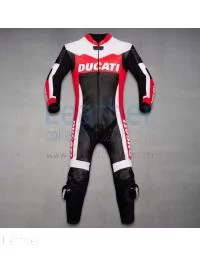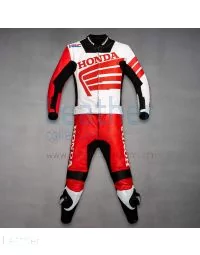

How to Choose a Motorcycle Race Suit for Your First Track Day

How to Choose a Motorcycle Race Suit for Your First Track Day
2026年8月21日 4 view(s) 19 min read
How to Choose a Motorcycle Race Suit for Your First Track Day

Your first track day is coming. You have a sportbike, you have the entry fee, and now you need a race suit. You are not sure if you need a one-piece or two-piece, whether to buy off-the-rack or custom-made, what armor level matters, or how to know if it actually fits well enough to protect you in a crash. You have watched riders in race suits online and they all look the same, but you suspect the differences matter — and they do.

Choosing a motorcycle race suit is not like buying casual leather jackets. A race suit is protective equipment that must stay in place during a high-speed crash, absorb impact energy, and resist abrasion when your body slides across asphalt. A suit that looks good but fits poorly will shift on impact, leaving gaps in coverage. A suit with the right materials but wrong armor placement will not protect your hips and knees — the areas most likely to contact the ground in a crash. The right motorcycle race suit buying guide helps you understand what separates gear that protects you from gear that only looks protective.

Quick Buying Advice:

For your first track day, prioritize fit and armor placement over brand name or aesthetics. A one-piece suit with CE Level 2 armor at the knees and hips, in 1.0–1.3 mm leather with reinforced seams, will protect you far better than a looser two-piece suit with lower-grade armor — and cost less than you expect. Measure your chest, waist, inseam, and sleeve length against a brand's size chart before buying. If your measurements fall between sizes or your proportions are non-standard, custom sizing is worth the investment. Do not compromise on fit to save money; a suit that shifts during a crash negates its protective value.

How to Choose a Motorcycle Race Suit for Your First Track Day

What Should Riders Know Before Buying a Race Suit?

A motorcycle race suit is a one-piece or two-piece garment made from leather or textile with integrated or pocketed armor designed to protect your skin, joints, and spine during a crash. Unlike a casual leather jacket, a race suit is built to stay in place at high speeds and to minimize sliding distance and friction burn if you go down.

The core difference between a race suit and street gear comes down to design intent. A street jacket prioritizes comfort, ventilation, and ease of putting on and taking off. A race suit prioritizes abrasion resistance, armor retention, and aerodynamic fit. A race suit will feel tighter, restrict your movement more on the street, and be harder to wear over regular clothes. That tightness is not a flaw — it is the feature that keeps the suit from bunching up or shifting if you crash.

Most riders new to track days assume they need maximum protection, which leads them to buy heavier suits with thicker leather than they actually need. The truth is more nuanced. A 1.2 mm cowhide suit with proper armor placement and good fit will protect you better than a 1.5 mm suit that is loose or has poor armor positioning. Leather thickness matters less than armor type, armor location, and how well the suit stays on your body during impact. A suit that moves during a crash leaves you unprotected in the areas that shifted.

Budget matters too, but not in the way many riders think. A $400 entry-level race suit from a reputable maker will protect you far better than a $150 "leather jacket" sold as a race suit. At the same time, spending $2,000 on a premium custom suit will not double your protection — it will give you better fit, lighter weight, and more comfort for long riding sessions. For a first track day, a mid-range suit ($600–$1,200) with correct armor, good leather, and proper fit is the right target.

How to Choose Gear Based on Your Riding Style

Your riding style and typical speeds determine what gear makes sense. A rider who attends one track day per year has different needs than a club racer who races every other weekend. A beginner learning line discipline on a 600cc bike needs different protection than an experienced rider pushing a 1000cc superbike to its limits.

If you are attending your first track day, you are likely riding at 80–120 mph in a controlled environment with other riders and safety marshals. You are not racing for points. Your priority is learning the track, improving your lines, and building confidence. For this scenario, a one-piece race suit with CE Level 2 armor at the knees and hips is the right choice. A one-piece suit is tighter and more restrictive than a two-piece, but it eliminates the gap at your waist where armor can shift. The aerodynamic fit also reduces wind resistance and makes you more stable at speed. Level 2 armor (which absorbs more impact energy than Level 1 under EN 1621 test conditions) is worth the modest cost difference for track use.

If you are a club racer or plan to attend multiple track days per season, you might consider a two-piece suit for versatility. A two-piece lets you wear the jacket for street riding or casual use, and the pants separately for track days. This flexibility comes with a trade-off: the gap between jacket and pants is a vulnerability in a crash. Your lower abdomen, upper hip, and lower back are less protected when the two pieces separate. To minimize this risk, buy a two-piece suit with a long jacket that overlaps the waistband of the pants, and wear it with the pieces zipped or pinned together for track use only. Two-piece suits also typically have lighter armor than one-piece racing suits, so they are better for intermediate riders who are confident in their ability to avoid crashes rather than for beginners.

If you ride a sportbike on the street and attend track days occasionally, a high-quality street-oriented race suit or a hybrid one-piece might be your best option. These suits are designed to look less aggressive than pure track suits, offer slightly more comfort for street riding, and still provide solid protection. They usually have CE Level 1 or Level 2 armor and are made from 1.0–1.2 mm leather. They will not perform quite as well as a dedicated track suit in a high-speed crash, but they are far better than a casual leather jacket and much more practical for riders who spend most of their time on the street.

What Safety Features Should Buyers Check?

When you are comparing race suits, focus on three safety features: armor type and placement, leather quality and thickness, and seam construction. These three factors determine whether a suit will actually protect you in a crash.

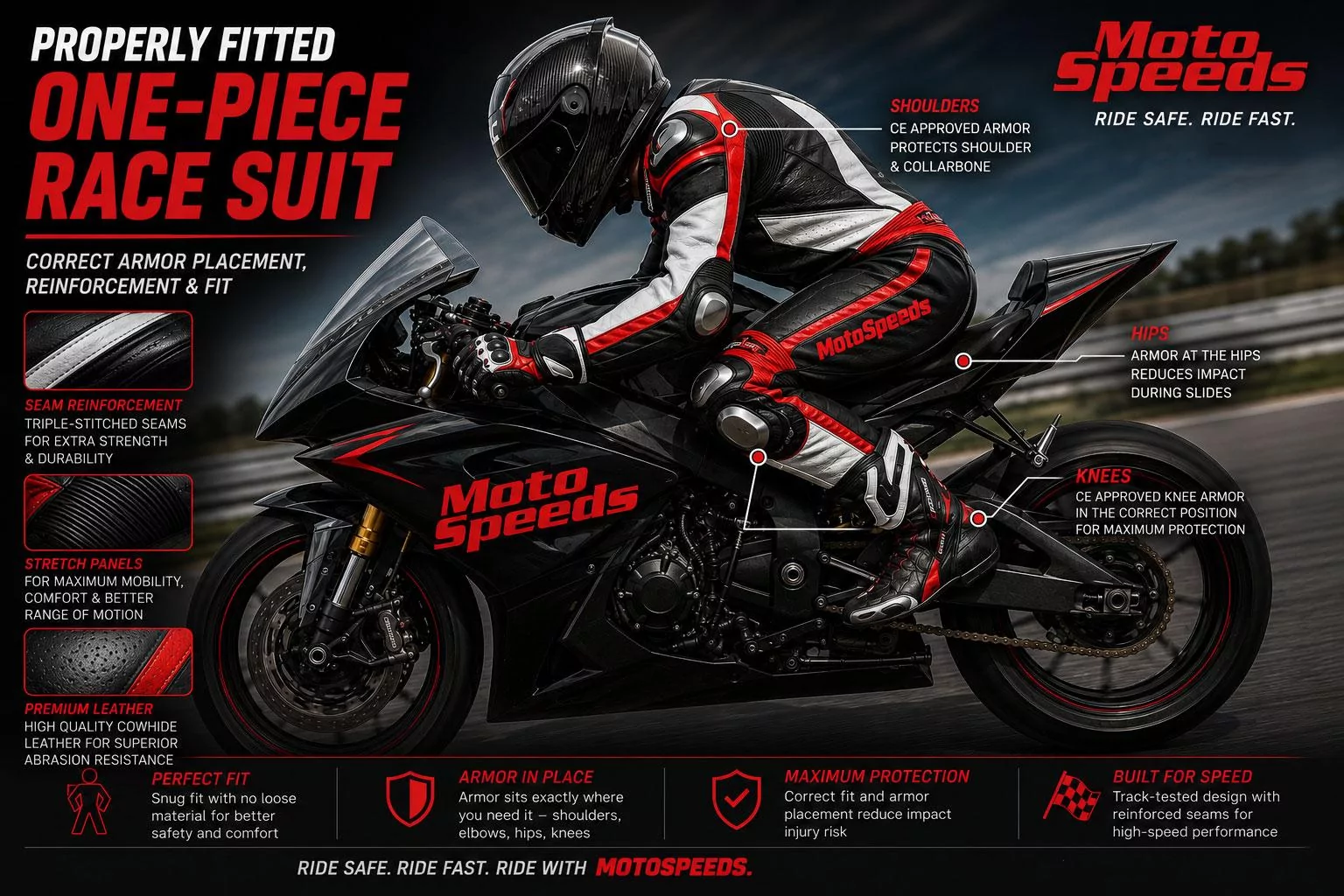
Armor comes in two main types: CE-certified impact protectors and non-certified foam padding. CE-certified armor (tested under EN 1621-1 for general protectors or EN 1621-2 for limb protectors) has absorbed impact energy under standardized test conditions. The certification level tells you how much energy it absorbed. CE Level 1 armor absorbs impacts up to 50 kJ of energy. CE Level 2 armor absorbs impacts up to 100 kJ. For track day speeds (80–120 mph), Level 2 is worth the cost. For street riding at lower speeds, Level 1 is often sufficient. Check where the armor is positioned: knees and hips are the most critical areas. A suit with armor only at the shoulders and elbows will not protect you well in a typical crash, where your hips and knees hit the ground first.

Leather quality matters because it determines how long the suit will protect you and how quickly it will degrade in a crash. Cowhide is the most common material for race suits. Good-quality cowhide at 1.0–1.3 mm thickness will resist abrasion well and last for years of regular riding. Thinner leather (under 0.8 mm) will wear through faster and offer less abrasion resistance. Thicker leather (over 1.5 mm) is heavier, stiffer, and not necessary for track day speeds. Some premium makers use kangaroo leather, which is lighter and stronger per millimeter than cowhide, but it is more expensive and less widely available. For a first suit, good-quality cowhide in the 1.0–1.2 mm range is the practical choice.

Seam construction determines whether the suit will hold together in a crash. Look for suits with reinforced seams, which use multiple rows of stitching or thicker thread to prevent the seams from tearing under stress. A suit with single-row stitching and thin thread will fail faster in a crash. Count the stitch rows if the product details include them — two or three rows is standard for quality gear. Check that stress points like the shoulders, underarms, and thighs have extra reinforcement. These areas take the most strain during a crash and during normal riding when you are gripping the bars and moving your body.

The back protector deserves special attention. A fixed back protector (sewn into the suit) stays in place during a crash. A pocket back protector (removable) can shift or fall out if the suit is loose or if the pocket is not secured well. For track use, a fixed back protector or a removable protector with a strong retention system is much better than a loose pocket protector. Check that the back protector is CE-certified and that the pocket (if removable) has secure straps or closures.

How Fit and Sizing Affect Comfort and Protection

Fit is the most important factor in a race suit's protective value — and the most commonly overlooked. A suit with perfect armor and premium leather will fail to protect you if it shifts during a crash. A suit that is too loose bunches up, leaves gaps, and allows your body to slide further during impact. A suit that is too tight restricts your movement, fatigues your muscles, and causes discomfort that will distract you during a track session.

The right fit for a race suit is snug but not restrictive. When you are standing upright, the suit should feel like it is hugging your body. When you are in a riding position on the bike, there should be enough stretch that you can grip the handlebars firmly without feeling your shoulders pull back. Your elbows should bend freely. Your hips and thighs should allow you to move your body on the seat without feeling trapped. The suit should not have excess fabric anywhere — no bunching at the waist, no loose pant legs, no sagging at the shoulders.

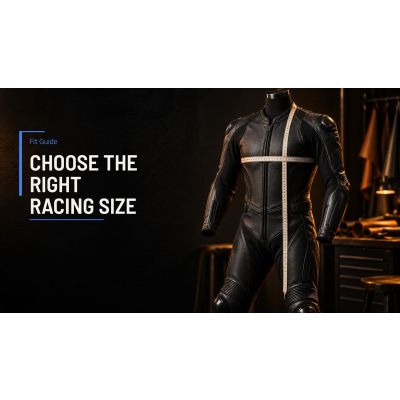
To find the right size, measure yourself accurately. Measure your chest at the fullest point with a soft tape measure. Measure your waist at your natural waist. Measure your inseam from your crotch to your ankle bone while standing barefoot. Measure your sleeve length from the center of your back to your wrist. Compare these measurements against the size chart from the maker you are considering. If your measurements suggest a size 52, try that size first. If your chest is between two sizes, size down for a race suit — the snug fit is intentional.

Common buying mistakes happen when riders try to buy a suit that is too loose for comfort, thinking it will be easier to wear or more versatile. This is false economy. A loose suit will not feel better on a track day — it will feel worse. Wind noise, flapping fabric, and the knowledge that your armor is not positioned correctly will distract you. Loose armor will shift during aggressive riding and will shift further during a crash. A suit that fits correctly might feel restrictive at first, but you will adjust to it within a few minutes of riding. A suit that is too loose never feels right.

Another mistake is buying a suit in the wrong proportions. If you are tall and lean, a standard size 54 designed for an average-height rider might have sleeves that are too short and a torso that is too loose. If you are shorter or wider, the opposite problem occurs. Standard sizing works well for riders whose proportions match the brand's average model. If your proportions are non-standard — if you have a long torso and short legs, or short arms and a wide chest — a standard suit will never fit perfectly. This is when custom sizing becomes worth the investment.

Which Materials and Construction Details Matter?

The materials in a race suit determine durability, weight, and how the suit feels during long riding sessions. The most important material is leather, which provides abrasion resistance that textile gear cannot match. A good leather race suit will slow your slide and reduce the severity of road rash in a crash. A textile suit or a leather suit with thin, low-quality leather will wear through faster and offer less protection.

Cowhide is the standard for race suits. It is durable, widely available, and affordable. Good-quality cowhide at 1.0–1.3 mm thickness balances protection, weight, and cost. Some riders prefer thicker leather for peace of mind, but 1.5 mm and above is heavier and less flexible without providing significantly better protection at typical track day speeds. Kangaroo leather is lighter and stronger per millimeter than cowhide, which makes it popular with riders who spend hours in the saddle and want to minimize fatigue. Kangaroo is also more expensive and less commonly available. For a first suit, cowhide is the practical choice.

Lining quality affects comfort and durability. A race suit with a high-quality lining will be easier to put on and take off, will feel more comfortable against your skin during long sessions, and will last longer because the lining protects the leather from sweat and wear. Cheap lining tears easily and makes the suit harder to wear. Check if the product description mentions the lining material — mesh or satin lining is standard. Avoid suits with thin, flimsy lining.

Stitching and seam reinforcement determine whether the suit will hold together in a crash. Look for reinforced seams with multiple rows of stitching. A suit with single-row stitching will fail faster. Check stress points like the shoulders, underarms, and thighs — these should have extra stitching rows. Some makers specify stitch count (stitches per inch) in their product details. More stitches per inch means stronger seams.

Zippers and closures matter because they need to stay secure during a crash. A cheap zipper will jam or fail under stress. A quality two-way zipper (opening from top or bottom) is useful for ventilation and for accessing the back protector pocket. Check that the zipper has a locking mechanism or a pull tab that prevents it from opening during riding. Some suits have safety pins or snap closures at the waist or legs to keep the zipper from opening if the pull tab fails.

When is it worth paying more for premium materials and construction? If you plan to attend more than three track days per year, or if you ride a high-powered bike and push hard, premium construction will pay for itself in durability and performance. A $1,500 suit with better leather, superior seam reinforcement, and a premium back protector will outlast a $700 suit and will perform better in a serious crash. If you are attending one or two track days per year on a 600cc bike, a mid-range suit ($700–$1,000) will serve you well. If you are just trying out track days and are not sure if you will continue, a solid entry-level suit ($500–$700) is the right choice.

Standard Size vs Custom Size: Which Should You Choose?

Standard sizing works well for most riders. If your chest, waist, inseam, and sleeve length match the brand's size chart, a standard suit will fit you properly and protect you well. Standard suits are cheaper, available immediately, and returnable if they do not fit.

Custom sizing is worth the investment if your proportions fall outside the brand's standard range. If you are very tall with a long inseam and short arms, a standard suit will have pants that are too short and sleeves that are too long. If you are shorter and wider, the opposite problem occurs. If you have a very wide chest and narrow hips, or long legs and a short torso, a standard suit will never fit correctly. Poorly proportioned suits will not protect you well because the armor will not be positioned correctly on your body.

Custom sizing also helps riders with specific needs. If you ride with a back brace or medical device, custom sizing can accommodate it. If you have scars or sensitive areas that need extra padding, custom sizing allows you to specify this. If you want a suit tailored to your exact proportions for maximum comfort and performance, custom sizing delivers that.

The trade-off is cost and time. A custom suit typically costs 20–40% more than a comparable standard suit and takes 4–8 weeks to produce. You cannot try it on before buying, so you need to trust the maker's fitting process. Most reputable makers have a clear process: you provide measurements, they make recommendations, you review a draft, and then they build the suit. This process works well if you follow the maker's measurement instructions precisely.

For a first track day, standard sizing is usually sufficient unless your proportions are clearly non-standard. Measure yourself carefully, compare against the size chart, and order the size that matches. If the suit does not fit perfectly when it arrives, most makers offer a free or low-cost adjustment period. Once you have ridden in the suit and know how it feels, you can decide whether a custom suit is worth the investment for your next purchase.

Final Buying Advice from Leather Collection

Choosing a motorcycle race suit comes down to three decisions: What protection level do you need? What size and proportions are you? And how much are you willing to spend?

For a first track day, the answer is clear. You need CE Level 2 armor at the knees and hips because you are riding at higher speeds than street gear is designed for. You need a size that matches your measurements against the brand's size chart because fit determines protection. You need to spend enough to get good leather, reinforced seams, and a quality back protector — which means $600–$1,200 for a solid one-piece suit. Do not try to save money by buying a loose suit or low-quality armor. The protection you lose is not worth the savings.

If your measurements fall between sizes or your proportions are non-standard, custom sizing is worth the extra cost and wait time. A suit that fits your body perfectly will protect you better, feel more comfortable, and last longer than a suit that is close but not quite right.

Once you have narrowed down your protection level and size, choose a suit from a maker with a good reputation for fit and construction. Read reviews from other riders who have similar body proportions to yours. Check that the suit has reinforced seams, a quality back protector, and armor placement that matches your needs. Look at the lining, zippers, and closure systems — these details affect how the suit feels during long riding sessions.

Riders who want to explore protective gear options that combine track-day performance with versatility can browse our

to compare construction quality, armor placement, and fit options across different styles and price points.

When you are ready to commit to a suit, try it on with the gear you will wear under it — a thin base layer or t-shirt, not heavy street clothes. Ride the bike in the suit if the maker allows it. Check that you can grip the bars, move your body on the seat, and operate the controls without restriction. Check that the armor sits correctly on your knees and hips when you are in a riding position. If everything feels right, that is your suit.

Before your first track day, wear the suit for a full ride to break it in. Ride at normal street speeds for an hour or two. This will show you how the suit feels, whether it shifts, and whether you need any adjustments. Most suits feel stiff when new and loosen up slightly with wear. If the suit is still uncomfortable after a full ride, contact the maker about adjustments or sizing issues.

Your first track day is an investment in your skills and your safety. The right race suit is part of that investment. A motorcycle race suit buying guide helps you make that choice with confidence, knowing that you have the protection you need and the fit that will keep you safe if something goes wrong.

For riders ready to invest in a track-day suit built for performance and protection, our

demonstrates how proper armor integration, reinforced construction, and precision fit work together to keep you safe at speed.

FAQ: Motorcycle Race Suit Buying Guide

What is the difference between a race suit and a street leather jacket?

A race suit is designed to stay in place during a crash and minimize sliding distance, while a street jacket prioritizes comfort and ease of wear. A race suit has tighter, more restrictive fit, better armor placement, reinforced seams at stress points, and materials chosen for abrasion resistance rather than everyday comfort. A street jacket is looser, more comfortable for casual riding, and has lighter armor. At track day speeds, a race suit will protect you significantly better than a street jacket because it will not shift during a crash.

Do I need a one-piece or two-piece race suit for my first track day?

A one-piece suit is the better choice for a first track day because it eliminates the gap at your waist where armor can shift and provides better aerodynamic stability at speed. A two-piece suit offers more versatility for street riding but leaves your lower abdomen and upper hip vulnerable if the pieces separate during a crash. For track use, a one-piece suit with CE Level 2 armor is the safer and simpler option. You can upgrade to a two-piece suit later if you want the flexibility for street and track riding.

What does CE armor level mean, and which level should I buy?

CE certification (EN 1621) indicates that armor has been tested for impact energy absorption. CE Level 1 armor absorbs impacts up to 50 kJ of energy, while CE Level 2 absorbs up to 100 kJ. For track day speeds (80–120 mph), CE Level 2 is worth the modest cost difference because it provides significantly better protection in a crash. Level 1 is sufficient for street riding at lower speeds, but Level 2 is the recommended choice for any track use. Always check that armor is positioned at the knees and hips, where most crashes cause injury.

How do I know if a race suit fits correctly?

A correctly fitting race suit is snug but not restrictive. When standing, it should feel like it is hugging your body. When in a riding position, you should be able to grip the handlebars firmly without feeling your shoulders pull back, and your elbows and hips should bend freely. Measure your chest, waist, inseam, and sleeve length accurately and compare against the brand's size chart. If your measurements suggest a size 52, order that size. Avoid loose suits — they will shift during a crash and leave gaps in protection. A suit that feels slightly restrictive when new will loosen slightly with wear and feel perfect after a few rides.

Is custom sizing worth the cost for a first race suit?

Custom sizing is worth the investment if your proportions fall outside the brand's standard range — if you have a long torso and short legs, or short arms and a wide chest, for example. A custom suit will fit your body perfectly and protect you better than a poorly proportioned standard suit. For a first suit, standard sizing is usually sufficient if you measure carefully and choose the correct size. If the standard suit does not fit well when it arrives, most makers offer adjustments. Custom sizing becomes more valuable for your second or third suit once you know your preferences and riding style.

What leather thickness should I choose for a track day suit?

A leather thickness of 1.0–1.3 mm cowhide is ideal for track day suits. This thickness balances protection, weight, and flexibility. Thinner leather (under 0.8 mm) wears through faster and offers less abrasion resistance. Thicker leather (over 1.5 mm) is heavier and stiffer without providing significantly better protection at typical track speeds. Good-quality 1.2 mm cowhide will protect you well and remain comfortable for hours of riding. Some premium makers use kangaroo leather, which is lighter and stronger per millimeter, but it is more expensive. For a first suit, quality cowhide in the 1.0–1.2 mm range is the practical choice.

How much should I spend on a motorcycle race suit?

For a first track day suit, budget $600–$1,200 for a solid one-piece suit with good leather, reinforced seams, and CE Level 2 armor. Entry-level suits ($500–$700) from reputable makers are acceptable if you are unsure about your long-term commitment to track days. Premium suits ($1,500–$2,500) offer better materials, superior construction, and enhanced comfort for riders who attend multiple track days per season. Do not try to save money by buying a loose suit or low-quality armor — the protection you lose is not worth the savings. A well-fitted mid-range suit will protect you better than a loose premium suit.

Previous article:
コメント
Leave your comment
Your email address will not be published
Powered by Amasty Magento 2 Blog Extension